



Same fiber. Less weight.
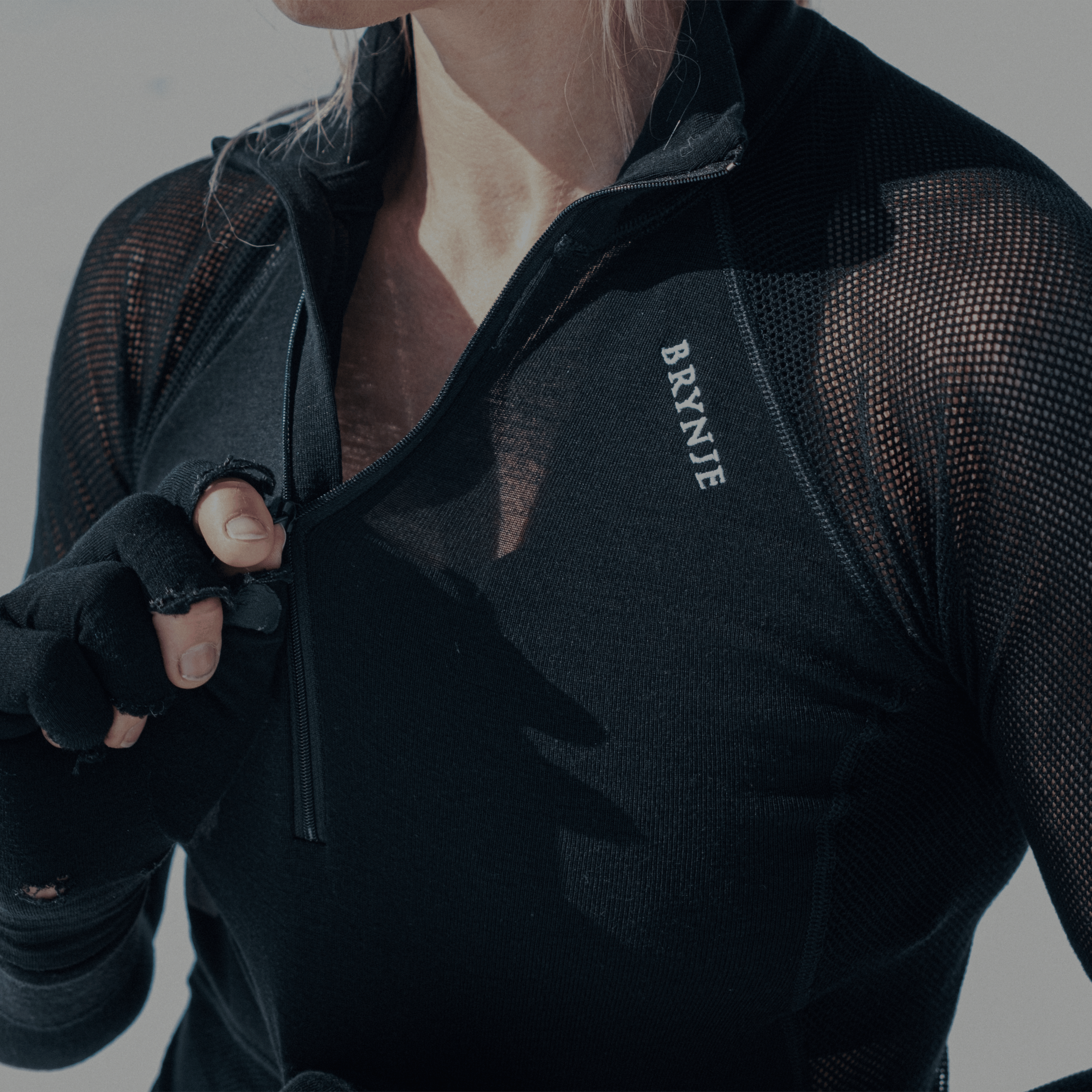
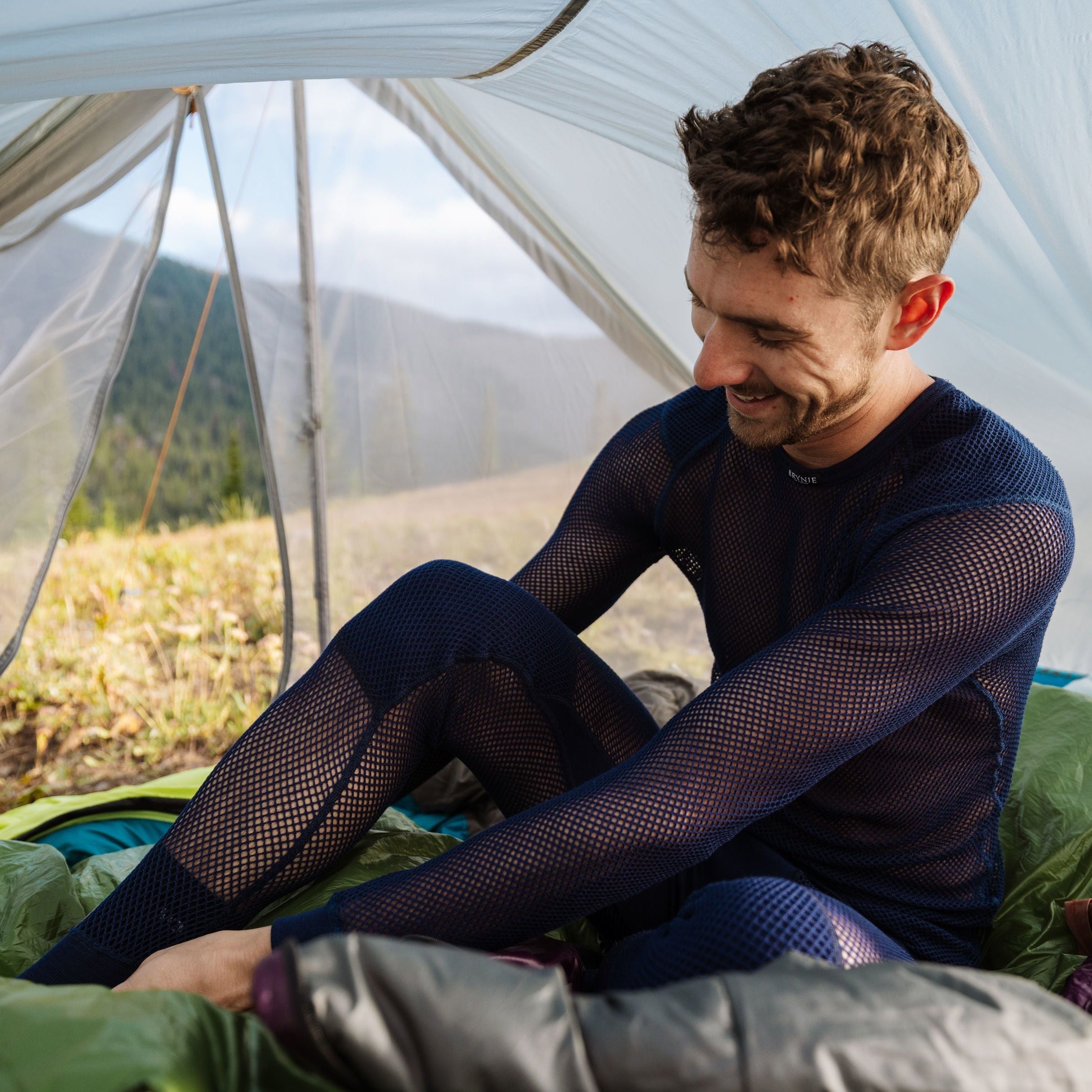
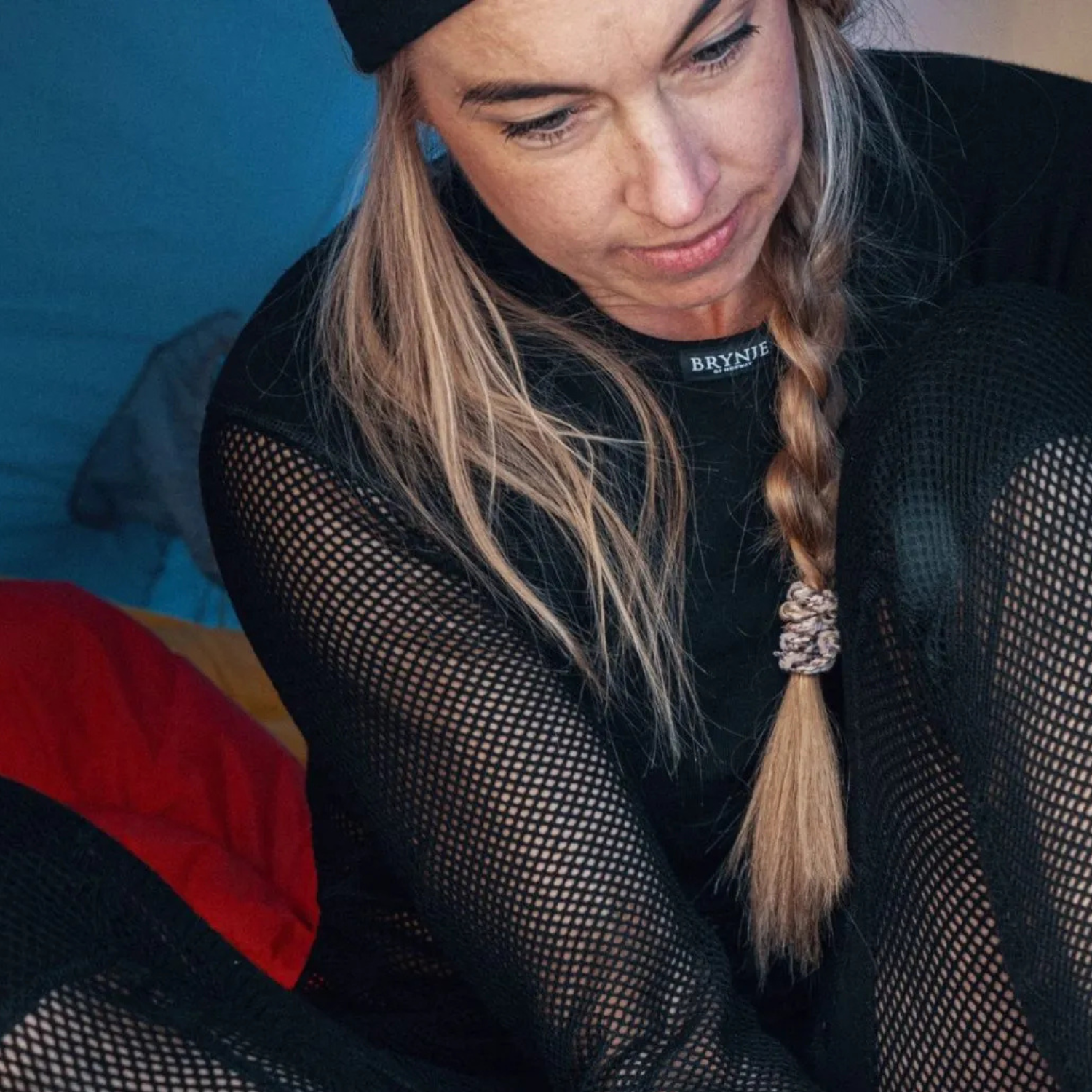
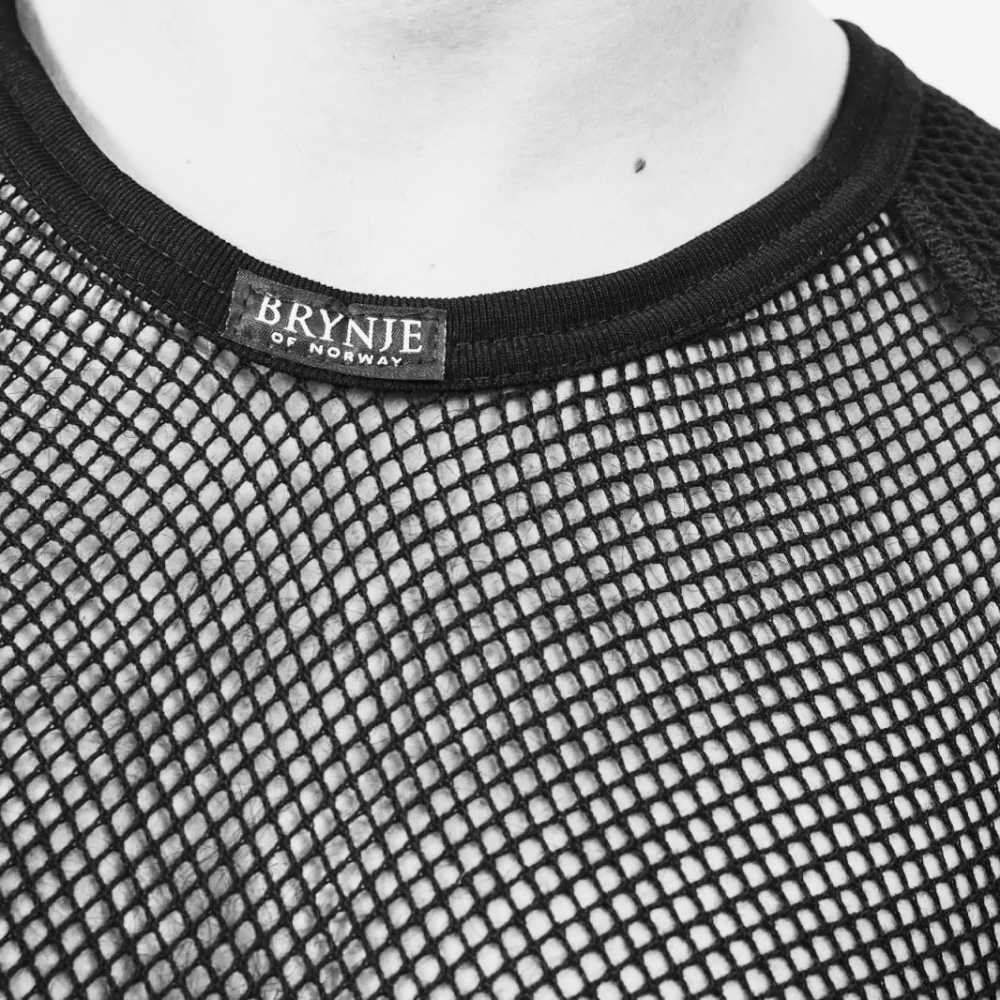
Take a standard merino wool base layer from almost any major brand. Compare it to our Wool Thermo mesh. Ours weighs less. Burn both fabrics and you’ll get nearly the same ash. The yarn itself is remarkably similar.
The difference is in the structure. The mesh traps four to six times more still air per gram of fabric. And it’s the still air, not the fiber itself, that keeps you warm.
Every fiber has a job it's better at. The mesh structure is the innovation. The fiber is the tuning. Most customers end up owning one of each, for different conditions.

Merino Mesh
For comfort, temperature stability, and natural odor control.
Most merino brands don't mesh-knit. The yarn has to be stronger and the gauge tighter. We've never made it any other way.
SHOP MERINO MESH →
Synthetic Mesh
For high exertion, extreme cold, and serious sweating.
The original 1976 formula. SINTEF named it best in test in 1988. Every Norwegian polar expedition since has worn it.
SHOP SYNTHETIC MESH →
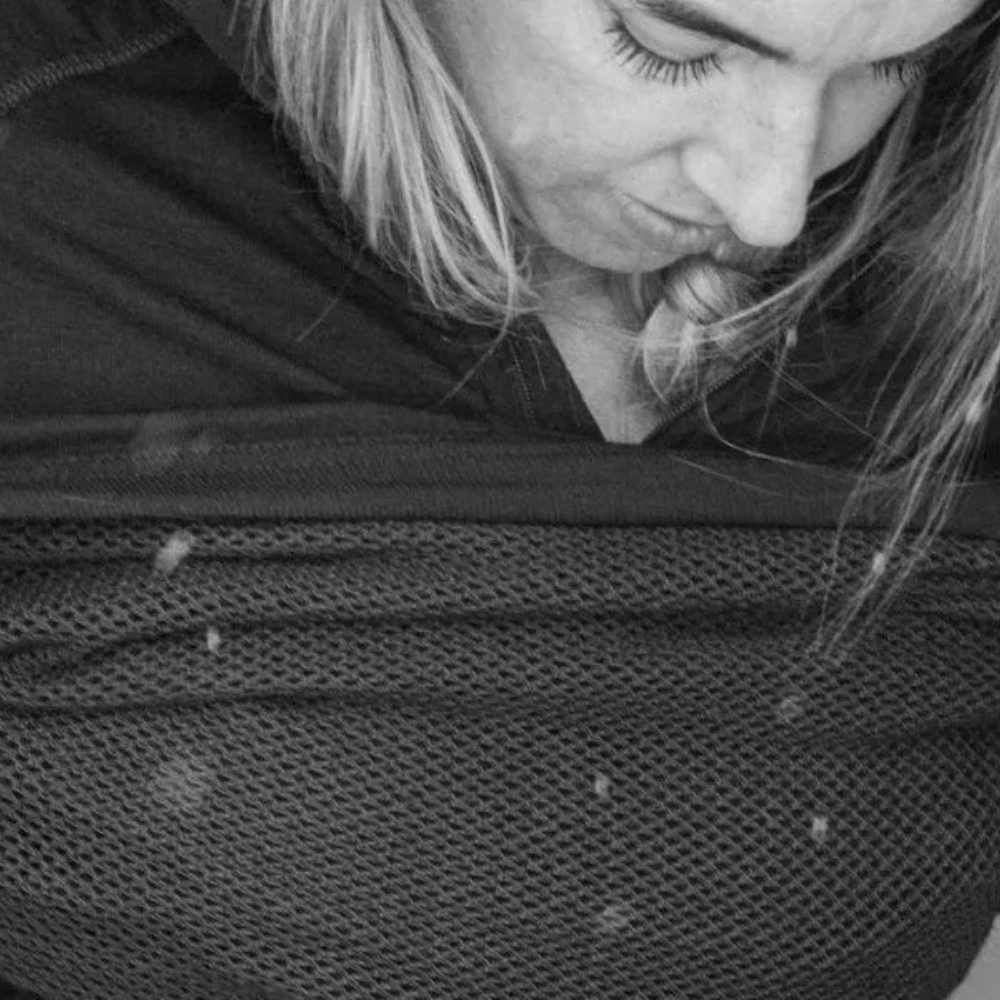
Arctic Double Knits Them Together
Synthetic mesh inside, merino outside, knit as one two-layer garment. Still our bestseller since 1997.
Worn where the stakes are real.

Places where being cold is a problem you can't walk away from, a rope, a patient, a summit, a deadline measured in degrees. Not "the outdoors."


Norwegian Armed Forces
Fire & rescue services
Coast Guard
Polar Institute
Hillary & Tenzing
Tour de France
Red Cross Rescue
Wildlife Wardens
Offshore Oil
Kristin Harila
North Pole Trek
Henrik Brun,
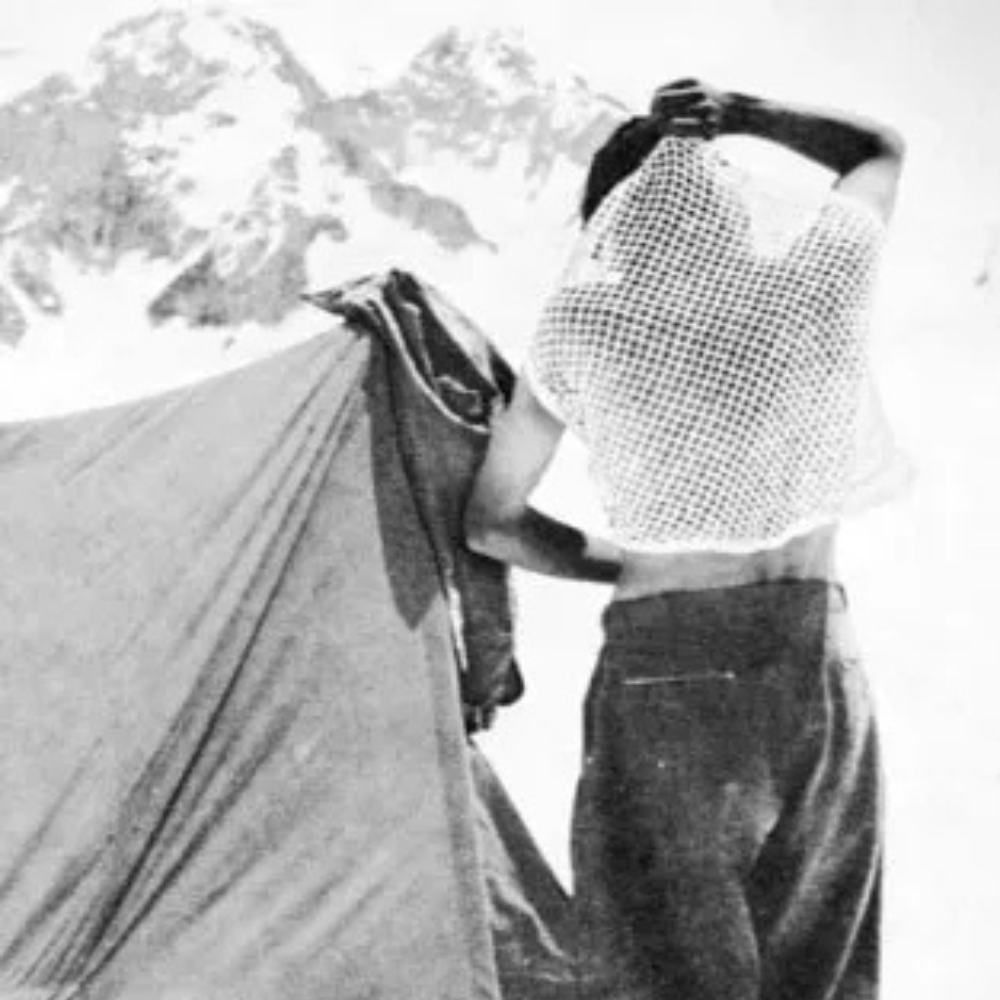
Brun named his invention Brynje, the Norwegian word for the chain-mail worn by Vikings. The idea was a coherent layer of air between the garment and the skin, to insulate and ventilate at the same time.
He first knit prototypes from coarse fishing line, then from hard-twisted cotton yarn. Brun himself is said to have knitted over a thousand shirts; he also paid women in the village to knit them.
In March 1940, the entire Field Artillery Regiment received 600 Brynje shirts for neutrality duty. The reports came back: soldiers stayed warm at -30°C. Brun himself led Company 7 of the 15th Infantry Regiment on the Narvik front that spring.
After the war, J. Jacobsen Trikotage in Larvik, founded 1887, took on industrial production. In 1953, Brynje shirts went up Everest with Hillary and Tenzing.
Its ventilating and insulating properties fully correspond to the expectations that had been set. The soldiers managed to stay warm even in the severest cold.FIELD ARTILLERY REGIMENT · CAPT. EGERS & CAPT. SMITH · WINTER REPORTS, 1940


